
In the fast-paced world of commerce, storage is not a one-size-fits-all proposition. A restaurant managing fresh ingredients has vastly different requirements than a wholesaler storing pallets of dry goods, and those needs bear little resemblance to an electronics retailer safeguarding sensitive smart devices. Each industry faces unique challenges: temperature sensitivity, turnover rates, security risks, and regulatory compliance. Generic warehousing often falls short, leading to spoiled food, damaged products, and lost revenue. This guide explores the specialized storage needs of three critical sectors and demonstrates why partnering with a professional storage provider transforms operational efficiency.
Storage for Restaurants
The restaurant industry demands precision. Storage for Restaurants requires a multi-temperature approach accommodating frozen meats (-18°C to -25°C), chilled produce and dairy (+1°C to +5°C), and ambient dry goods like rice, flour, and canned products (15°C to 25°C). Managing these zones within the limited square footage of a commercial kitchen is nearly impossible. Off-site professional storage has emerged as a transformative solution, freeing valuable kitchen real estate for food preparation. Critical features for restaurant storage include daily pick-and-pack services, expiration date tracking with FIFO (first-in, first-out) rotation, temperature-monitored delivery vehicles, and Saudi Food and Drug Authority (SFDA) compliance with audit-ready logs. During Ramadan, restaurant demand surges dramatically; professional storage providers offer flexible contracts to scale space up during peak seasons and down during slower periods. For restaurateurs, the right storage partner acts as an extension of the kitchen, handling logistics so chefs can focus on exceptional food.
Storage for Wholesalers and Retailers
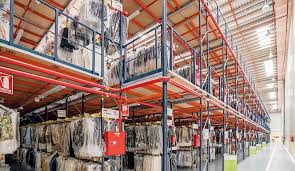
Wholesalers and retailers form the backbone of the Saudi economy. Storage for Wholesalers and Retailers requires high-density pallet racking, efficient order fulfillment, and real-time inventory visibility. Wholesalers typically handle large volumes of homogeneous products, needing drive-in racking, push-back racking, or pallet flow systems that maximize vertical storage. Retailers, whether brick-and-mortar or e-commerce, require zone picking with warehouse management systems (WMS) guiding staff to correct locations via handheld scanners. For e-commerce, “each picking” from shelving and bin storage is essential. Cross-docking capabilities—receiving goods from one truck and immediately loading onto another—reduce handling costs and transit times. Seasonal fluctuations (Ramadan, back-to-school, White Friday) demand surge capacity with flexible month-to-month contracts. Stockouts cost retailers billions globally; professional storage providers offer real-time inventory visibility, cycle counting, and automated low-stock alerts. For wholesalers and retailers scaling efficiently, professional storage is a strategic asset that reduces costs and improves customer satisfaction.
Storage for Electronics & Smart Devices
The electronics industry presents the most demanding storage environment. Storage for Electronics & Smart Devices requires protection from physical damage, electrostatic discharge (ESD), temperature extremes, humidity, and theft. Electronics are fragile—a drop of a few feet can crack screens or damage internal components. Professional electronics storage uses padded racking, foam-lined bins, and strict stacking height limits. Electrostatic discharge is a hidden threat; ESD-protected zones feature conductive flooring, anti-static workstations, grounding wrist straps, and humidity control (40%–60% RH) to reduce static risk. Environmental conditions matter: temperatures between 15°C and 25°C prevent battery degradation, while high humidity causes corrosion on circuit boards. For products containing lithium-ion batteries, fire suppression systems rated for electrical fires (Class C) and proper ventilation are mandatory. Security is paramount: 24/7 CCTV, biometric access control, RFID tracking for high-value items, and client-specific locked cages. Reverse logistics for returns and repairs requires designated inspection stations and segregated zones for functional, defective, and refurbished units. For electronics businesses, professional storage protects valuable inventory from all threats.
Units: Your Trusted Partner for Specialized Storage
When your business demands storage tailored to your industry, one company leads the Saudi market: Units. As the top company for specialized storage solutions, Units operates state-of-the-art facilities in Riyadh, Jeddah, and Dammam. For restaurants, Units offers multi-temperature zones, daily pick-and-pack, expiration tracking, and SFDA compliance. For wholesalers and retailers, Units provides high-density racking, cross-docking, WMS with real-time visibility, and flexible surge capacity. For electronics, Units delivers ESD-protected zones, environmental monitoring (15°C–25°C, 40%–60% RH), 24/7 CCTV, biometric access, RFID tracking, and Class C fire suppression. Every Units facility features cloud-based WMS access, flexible month-to-month contracts, and value-added services. Visit units.sa to schedule a tour, request a quote, or speak with a storage specialist. With Units, your specialized storage is in expert hands.
Conclusion
Generic warehousing fails to meet the unique needs of specialized industries. Storage for Restaurants requires multi-temperature zones, daily delivery, and SFDA compliance. Storage for Wholesalers and Retailers demands high-density racking, cross-docking, and real-time inventory visibility. Storage for Electronics & Smart Devices necessitates ESD protection, environmental monitoring, and premium security. Units stands as the top company across all three sectors, offering professionally managed, technologically advanced storage facilities in Riyadh, Jeddah, and Dammam. Do not compromise on the safety and accessibility of your valuable inventory. Visit units.sa today and discover the Units difference.
Frequently Asked Questions (FAQs)
1. Does Units offer daily deliveries to restaurants?
Yes. Units provides scheduled daily deliveries to restaurants using temperature-monitored vehicles. You can place orders via the online portal before a daily cutoff time, and Units picks, packs, and delivers specific items the following morning.
2. Can Units handle seasonal spikes for wholesale and retail clients?
Absolutely. Units offers flexible month-to-month contracts with surge capacity, allowing you to scale space up during Ramadan, back-to-school, or White Friday, and down during slower periods with 30 days’ notice.
3. How does Units protect electronics from electrostatic discharge?
Units has designated ESD-protected zones with conductive epoxy flooring, anti-static workstations, grounding wrist straps for staff, humidity control (40%–60% RH), and static-dissipative packaging materials. All electronics-handling staff receive ESD safety training.
4. Does Units provide inventory management software?
Yes. Every Units client receives access to a cloud-based warehouse management system (WMS) with real-time inventory visibility, low-stock alerts, pick-list generation, and API integration with your existing ERP or accounting software.
5. Can I visit Units facilities before signing a contract?
Yes. Units encourages prospective clients to schedule site tours of their Riyadh, Jeddah, or Dammam facilities. You can inspect security measures, temperature systems, cleanliness, and general operations before making any commitment. Contact units.sa to arrange a visit.